
Port of call
Best Cozumel excursions, with the timing told honestly.
The reef, the three piers, El Cielo, and why Tulum from the ship is a long day.
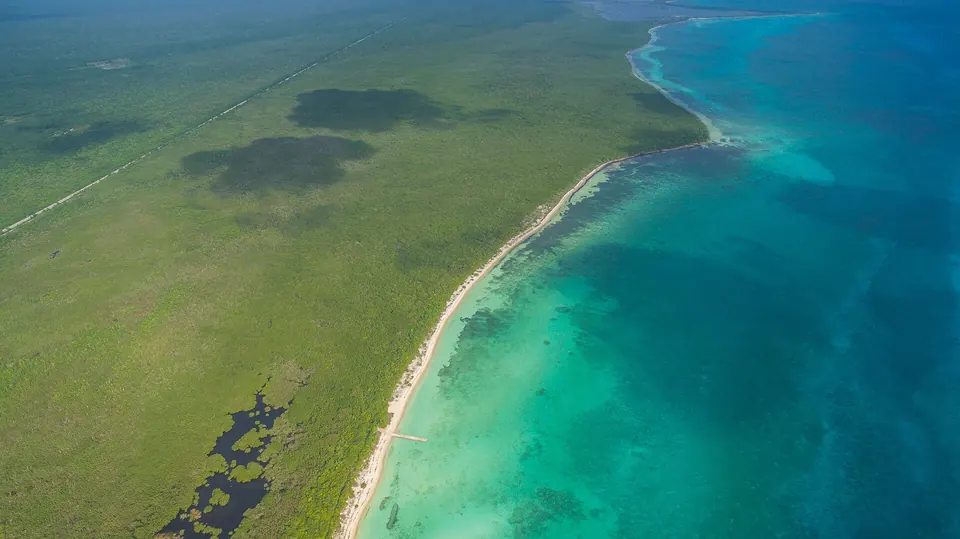
Cozumel is one of the Caribbean’s great reef days — the island sits along the Mesoamerican Barrier Reef, and the west-coast water is the reason most people get off the ship. The right excursion depends on how you feel about boats, how comfortable you are in the water, and how tight your all-aboard time is. I will not invent tour prices here; they change by operator and season. The links below open current listings on Viator (paid links). If you want me to compare an independent tour against a ship-sponsored one for your sailing, request a free quote and include Cozumel on the form.
Know which pier you’re on


Ships use three cruise piers: Puerta Maya, SSA Mexico, and Punta Langosta. Punta Langosta sits at the edge of downtown San Miguel — you can walk into town. Puerta Maya and SSA are farther south; downtown is a longer walk or, more realistically, a short taxi or shuttle. Your cruise documents and the daily planner will name the pier. Meeting points for independent tours should name the pier too. If they don’t, ask before you book.


The reef: snorkeling and diving

Cozumel is famous for drift diving: the current does a lot of the work, and you float along the reef rather than swimming against it. Palancar and Columbia (often spelled Colombia) are the names you will see most often for the southern reefs. Paradise (Paraiso) and the water off Chankanaab are common snorkel stops, closer to the typical cruise-day map.
Certified divers and snorkelers should not be booked onto the same “reef trip” without a clear explanation of how the operator splits the groups. A small-boat snorkel with a stated site list and a stated return time is usually a better cruise-day plan than a loosely described “island tour” that might or might not get you in the water.
Reef etiquette is not optional: do not stand on coral, do not chase turtles, and do not use your hands as landing gear. Wear a mineral sunscreen and put it on before you board the boat.
Cozumel snorkeling on Viator Cozumel diving on Viator
El Cielo
El Cielo is a shallow, bright-sand area south of the main piers, known for starfish and clear water. It is popular, and it is also easy to love to death. Look at the animals, take the photograph, and leave them in the water. Picking up starfish is widely discouraged and is hard on the animals. Choose an operator that says the same thing out loud.
Chankanaab and beach-club days
Parque Chankanaab is a long-running beach and snorkel park on the west coast, with shoreline snorkel access and the usual beach-club facilities. Beach clubs elsewhere on the island sell a day of chairs, shade, and food, which is the right day for anyone who does not want a boat schedule. Read recent reviews for how busy a club is when several ships are in, and confirm whether a shuttle from your pier is included.
Chankanaab on Viator Beach clubs on Viator
San Gervasio, and the long day to Tulum
San Gervasio, in the interior of Cozumel, is a Maya site you can visit without leaving the island. It is smaller and quieter than the famous mainland ruins, and it fits a cruise day more comfortably.


Tulum is on the mainland. A typical cruise-day plan is a ferry from Cozumel to Playa del Carmen, then a substantial overland transfer to the ruins (on the order of an hour and a half or more each way, depending on traffic and the ferry), time at the site, and the same trip in reverse. The ruins are striking and they are also hot, exposed, and busy. The day can be done, but the margin before all-aboard is thinner than a reef or beach outing on the island. If Tulum is the one thing you care about, a ship-sponsored tour is the safer timing choice, because the line stands behind the return. An independent operator can be excellent, but only if they understand ship times and build a real buffer.
San Gervasio on Viator Tulum from Cozumel on Viator
Practical notes
- The Mexican peso is the local currency; U.S. dollars and cards are widely used in tourist areas. I don’t quote exchange rates.
- Agree on a taxi fare before you get in, or use an official taxi stand.
- Heat is the underestimated risk. Water, a hat, and a slower pace at the ruins will do more for your day than an extra stop.
- Independent tours do not automatically hold the ship. Build in buffer, keep the operator’s phone number, and know your all-aboard time.
For packing the pouch, the mineral sunscreen, and water shoes, see what to pack for a Caribbean cruise. Amazon searches (paid links): waterproof pouch, mineral sunscreen, water shoes.
Flying in through Cancún for a pre- or post-cruise stay is a different itinerary than a ship day in Cozumel. If that’s the plan, search flights with my Travelpayouts marker and then tell me the schedule.
Flights to Cancún on Aviasales
Photo credits
- Photo: dronepicr, via Wikimedia Commons, CC BY 2.0. Source.
- Photo: Crispas, via Wikimedia Commons, CC BY-SA 3.0. Source.
- Photo: Rene Cortin, via Wikimedia Commons, CC BY-SA 4.0. Source.
- Photo via Unsplash (Unsplash License). Source.
- Photo: Carlos Delgado, via Wikimedia Commons, CC BY-SA 3.0. Source.

Book a cruise
Book on CruiseDirect, or ask me to compare.
CruiseDirect is the booking desk I’m using right now (paid link). If you want a human to compare the live sale for your dates, send a free quote — I stay with you through embarkation day.